
Gonzalo is a finance guy that is also an avid meditator and loves to eat the food cooked by sentient beings 🙂

-
Continue Reading
Drink Away your Ulcer with Ulcer Buster juice For the best results, avoid solid food for a fixed period of time either 7, 14, 21, or 30 days, depending on the severity of the ulcer. But if you feel like having solid food, as you are habituated to it, blend the ingredients to a chunky consistency, and then you can eat the pulp like a smoothie or soup. During this period, it is essential to consume plenty of water (around 6-7liters) every day. together with the 1-2 liters of juices in the end. Be free of ulcer in 30 days…
-
Continue Reading
Siddhasana, also called the Perfect or Accomplished pose, is a yoga position for beginners. The name of the pose is derived from two samkrta words: ‘Siddha’, which means perfect or accomplished, and ‘Asana’, which means pose. This pose is perfect for meditation and may help reduce stress and anxiety levels.…
-
Continue Reading
Hero posture Viirasana, also known as the Brave Posture, is a basic kneeling yoga posture. The pose’s name is derived from the Samskrta words ‘Viira’, which means warrior, and ‘asana,’ posture. Viirasana energizes the root chakra in spiritual practice, making one feel more grounded and impassioned. How to Execute Viirásana:…
-
Continue Reading
The Utkata Kurmakasana, also known as the Difficult Tortoise Posture, is classified as a difficult pose. It comes from two words, Utkata, which means powerful, and Kurmasana. Kurmasana comes from the Samskrta word kurma, which means turtle, and asana, which means posture or pose. This pose is ideal for meditation and…
-
Continue Reading
Jatila Utkatasana or Difficult chair Posture is a variation of the Chair Pose. ‘Jatila’ comes from the Sanskrit word which means very complex, and the Utkata comes from the Samskrta word ‘Kata’ means the legs should be raised or kept in a complex position. Asana means Pose or Posture. This…
-
Continue Reading
Difficult Thunder Posture (Utkata Vajrasana) is also known as the “Difficult Diamond Pose”. This is prescribed to enable people to sit effectively in Lotus pose Padmasana. It is useful to address the weakness of the core, especially the abdomen and the spinal cord. It is useful in treating gout or…
-
Continue Reading
The Lotus Pose or Padmasana is a cross-legged position that is used for meditation. Padmasana is derived from the Sanskrit words the Padma, which means “lotus,” and asana, which means “posture” or “seat.” This posture is perfect for meditation. It also helps control the lower cakras; good for gout in…
-
Continue Reading
The Utkata Pascimottanasana, also known as the “Full Head to Knee Pose” or “Seated Forward Bend” is one of the basic yoga postures. The name is derived from the Samskrta words ‘paschima’, which means “west” or “back of the body”; ‘uttana’, which means “straight” or “extended”, and asana which means “posture” or “seat.” This posture is great for extending the spine to its maximum length and is thus good for the back and spinal column, consequently…
-
Continue Reading
The Hare pose is helpful for concentration in preparation for meditation, especially when you cannot focus your mind. It also serves as an alternative to the headstand, which is not included as one of our recommended asanas because it places excessive pressure on the brain, specifically on the Sahasrara cakra.…
-
Continue Reading
The Matsyendrasana or the Twist Pose is translated as “Matsyendra’s Pose”, or “Lord of the Fishes Pose”. This pose is a seated twisting asana in yoga. It strengthens weak lungs and helps burn excessive stomach fat. This pose also removes calcium deposits in the spine, preserving health and increasing youthfulness. Wornen should not exert pressure on the Mu’la’dha’ra Cakra, as this is sexually stimulating for term. How to Execute Matsyendrasana: Press…
-
Continue Reading
Yoga postures should always be followed by a massage because the massage is the ideal finish to the revitalizing practice of yoga postures. These yoga postures stimulate the sebaceous glands which lie under the surface of the skin to secrete their natural oils. These oils are the most perfect balm…
-
Continue Reading
Kaoshikii is a dance which was invented in 1978 by Shrii Shrii Anandamurti. It is a psycho-spiritual exercise and benefits the mind by developing stamina and strength of mind. Physically, also, kaoshikii is especially good for women. The name Kaoshikii comes from the Sanskrit word kosa, meaning “layer of mind”. Kaoshikii develops the subtler…
-
Continue Reading
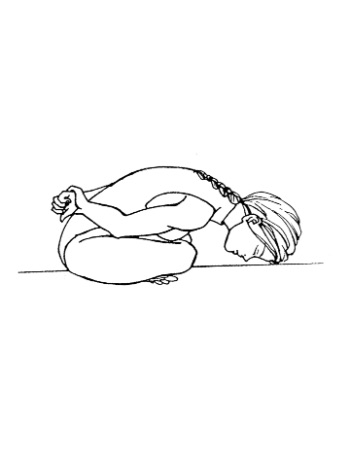
Diirgha Pranama or also called the long bowing pose. This pose is also called “Worship of the Supreme” comes from the Samskrta words ‘Diirgha’ that means long, and ‘Pranam’ which means to bend forward or bowing in front. This asana is beneficial to the digestive system and is also one…
-
 Continue Reading
Yogamudra, also known as Yogasana, is one of the basic poses in Yoga. It comes from the word yoga, with the Samskrta root word ‘Yuj’ which means “to unite” and ‘mudra’ which means seal. This asana helps alleviate lumbar pain, improves muscle tone, and improves blood circulation and lymphatic drainage…
-
Continue Reading
Sarvaungasana, also known as Shoulder Stand is, is an inverted asana used in the exercise. The name comes from the Samskrta word ‘Sarvanga’ which means “all limbs” or “the entire body” and ‘asana’ which means posture. This asana has two variations, the first one being the Shoulder Stand, and the second being the Shoulder Stand with Lotus. This asana strengthens all…
-
Continue Reading
Shoulder Stand with Lotus is an advanced Shoulder Stand (Sarvaungasana) variation, also known as Padma Sarvaungasana. It involves a Shoulder Stand, but instead of the limbs extended straight up, a cross-legged (lotus) position is assumed. This asana is great for strengthening the hip, and toning the legs and glutes. It…
-
Continue Reading
Matsyamudra or the Fish pose is one of the most popular yoga asanas. It comes from two Samskrta words ‘Matsya’ which means fish, and mudra which is a gesture of the hand. This asana helps remove any iron, iodine and calcium deficiencies. It also helps relax the muscles, and increases…
-
 Continue Reading
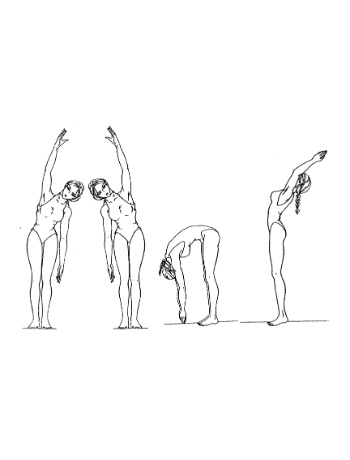
Padahastasana, also known as the Arm and Leg pose or Hand to Foot Pose is an inverted standing asana wherein the upper limbs and hands are extended down to grasp the feet. It comes from the Sanskrit words ‘pada’ which means “foot”, hasta which means “hand”, and asana which stands…
-
Continue Reading
Cakrsana or the Wheel Pose is a yoga exercise asana. It is a backbend that is similar to the bridge in acrobatics and gymnastics. This asana is great for increasing the flexibility of the back as it fully stretches the entire spinal column. It helps eliminate back pain, strengthening the…
-
 Continue Reading
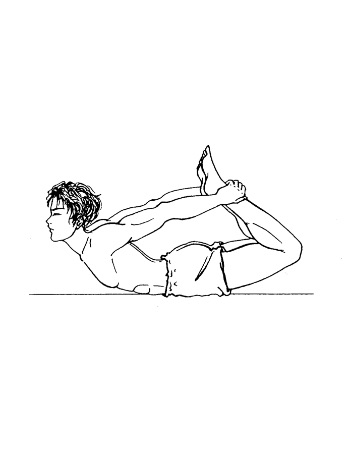
Dhanurasana also known as the Bow Pose or the Naoka’sana boat pose is a backbending Yoga pose. It comes from two Sanskrit words, ‘dhanur’ which means bow, and asana for pose or posture. This asana is great for addressing the defects in the Manipu’ra Cakra. It expands the chest, burns…